Falls from height are the single biggest cause of death in UK construction. Most are preventable, and most happen on jobs people thought were routine. This talk is the script a supervisor needs to deliver a proper working-at-height briefing on site, with the hierarchy of control, the PPE that's required, and the mistakes worth calling out.
Why it matters
The Work at Height Regulations 2005 apply to anywhere a person could fall and injure themselves. That includes ladders, stepladders, the edge of a deck, the top of a piece of plant. Not just roofs and scaffolds. Around 25 to 30 construction workers a year are killed by falls from height in the UK. More than half are from ladders.
PPE for this task
Hard hat (chinstrap on scaffold work)
Hi-vis vest
Safety boots, steel or composite toe
Gloves rated for the task
Harness and lanyard where fall arrest is the only option
The hierarchy of control
Always try the option above before moving down the list. The top of the list is what the Work at Height Regulations actually require you to consider first.
What to say
Spoken script for the supervisor. Read or paraphrase, in order.
What counts as working at height
It's not just roofs and scaffolds. Any place you could fall and hurt yourself counts. A ladder. A stepladder. The edge of a deck. On top of a piece of plant. A chair you stood on for two seconds. The law treats it the same.
What we try first: the hierarchy
First choice is don't work at height at all. Can the job be done from the ground? Pre-assemble on the ground, lift the unit up, fit it without going up. If we can't avoid it, we work off something that prevents a fall. Proper scaffold, MEWP, fixed platform with guardrails. If we still can't do that, we minimise the fall. Netting, airbags. Last resort, arrest the fall. Harness and lanyard. The further down that list, the worse the option.
Before you go up
Inspect what you're going on. Scaffold tag in date? Ladder feet not cracked, stiles straight? MEWP basket gates closed and locked? Edge protection complete around the platform? If it's not right, it doesn't get used. Don't borrow from another trade's setup without checking it. They might have removed something and not told us.
The weather
Wind matters. If you can't hear me clearly across the scaffold, we're not working on it today. Rain on a steel deck or a clean tile is an ice rink. Cold gives you frozen fingers and slips. Hot weather, you're drinking water every 20 minutes whether you feel thirsty or not.
The rescue plan
If someone falls in a harness, suspension trauma can kill them in 15 minutes. We need a plan to get them down. Where's the MEWP. Who's calling 999. Who's getting them out. Not figured out when it happens. Figured out today, before anyone goes up.
The honest one: ladders
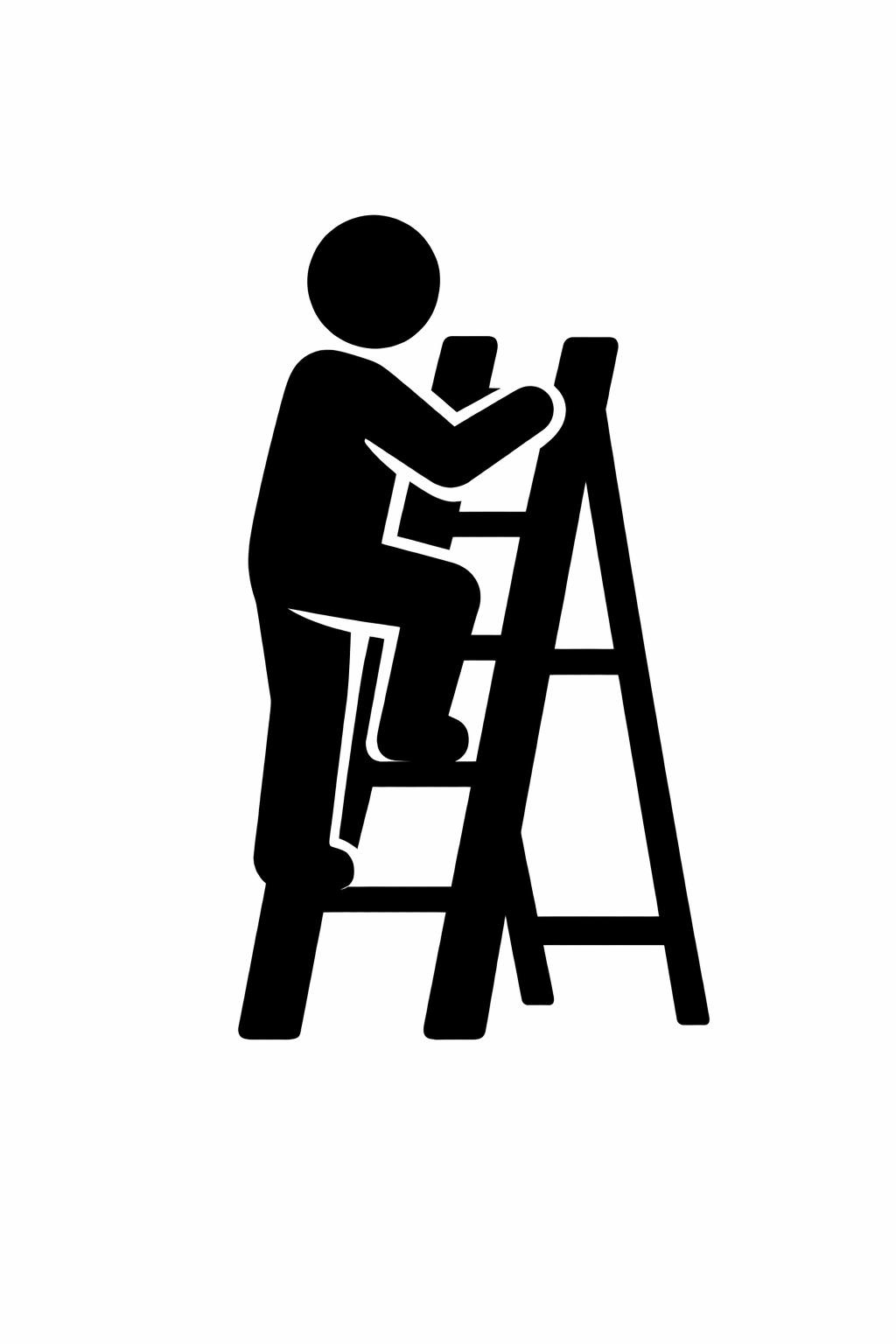
More than half of fatal falls in UK construction are from ladders. Not 30-foot scaffolds. Ladders. We treat ladders seriously. Right angle, tied off, three points of contact, hands free of materials. If it's a job that takes more than 30 minutes or any real exertion, it's not a ladder job.
Three points of contact on a ladder
Two hands and one foot, or two feet and one hand, in contact at all times
✓ CORRECT
Hands free, three points of contact maintained
✗ WRONG
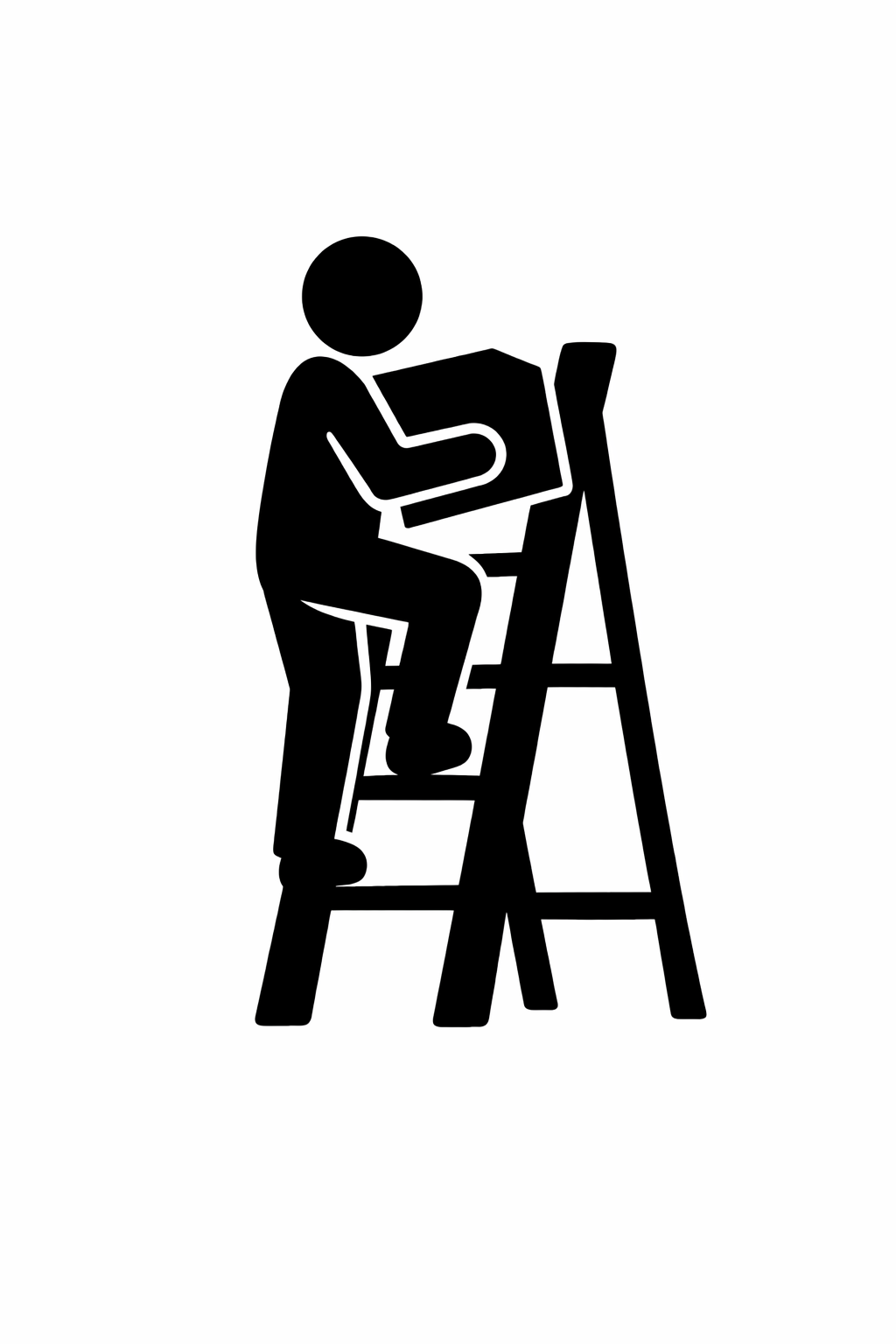
Carrying a load means hands aren't on the ladder
Common mistakes to call out
Climbing with both hands full (materials go up by gin wheel or rope hoist, not in your hands)
Untied scaffold ties because "we'll put them back later"
Toeboards missing on the working lift
Trusting a previous trade's edge protection without checking
Removing PPE because it's hot (that's exactly when you need the chinstrap)
Using a power tool while leaning out of a MEWP basket
Standing on the top rung of a stepladder
Working alone at height with no radio or phone
Harness clipped to the MEWP handrail instead of the proper anchor point
Watch on site this week
What the supervisor should be actively spotting on walk-arounds.
Anyone climbing while carrying tools or materials in their hands
Edge protection gaps after another trade has been through
Stepladders set up at the top of a flight of stairs (the bottom of the stairs is more than 2m below, so that step is a height risk)
Operatives in a MEWP without the gate closed
Harness lanyards clipped to anything that isn't a designated anchor
Ladder feet on a tarpaulin, loose plywood, or wet timber
Damaged or missing guardrails on the scaffold's working lift
Anyone climbing a scaffold via the standards instead of the internal ladder
Confirm the team understood
Ask one or two of these at the end. Confirms attention more than a silent nod.
What's the first thing on the hierarchy of control for work at height? (Avoid it.)
Where's the rescue plan kept and who's responsible if someone falls in a harness?
What wind speed stops work on the scaffold? (Check the RAMS, usually around 38 mph / Beaufort 8.)
Where's the nearest hospital A&E if someone's badly hurt?
Need site-specific RAMS for the job this talk is about?
A toolbox talk is generic by design. It works on every site. Your RAMS isn't. Briefkit writes a site-specific RAMS for your actual job: the hazards, sequence, PPE, competencies and emergency arrangements that apply to this work, at this address, by this team. £30 per document.